A typical 1,000 gallon residential septic tank needs pumping every 3 to 5 years, depending on tank size and how many people live in the house. Lexington households on well-established systems often land in the middle of that range. Skipping it too long is how a slow drain turns into a backed-up yard. This guide from Lexington Porta Pros breaks down the real intervals.
The 3 to 5 year window isn't a guess, it's the standard driven by tank size and household size together. A family of six fills a tank faster than a couple in the same house. Garbage disposals, laundry habits, and whether the system handles roof drainage or just wastewater all shift the math. Lexington Porta Pros gets calls from homeowners who waited too long and are now dealing with a soggy yard or slow drains, which is more expensive to fix than a routine visit. If you're not sure where your property sits in that cycle, our septic pumping service page walks through what a visit involves. For folks managing rental properties or older homes near Winchester Road corridors, tighter monitoring beats waiting for a warning sign. Renovation projects that add bathrooms or bedrooms change the load too, and that's worth factoring in before you assume the old schedule still applies. If your project also involves demo work, pair the septic conversation with construction site services planning so nothing gets missed. Commercial kitchens are a different animal entirely, more on that below.
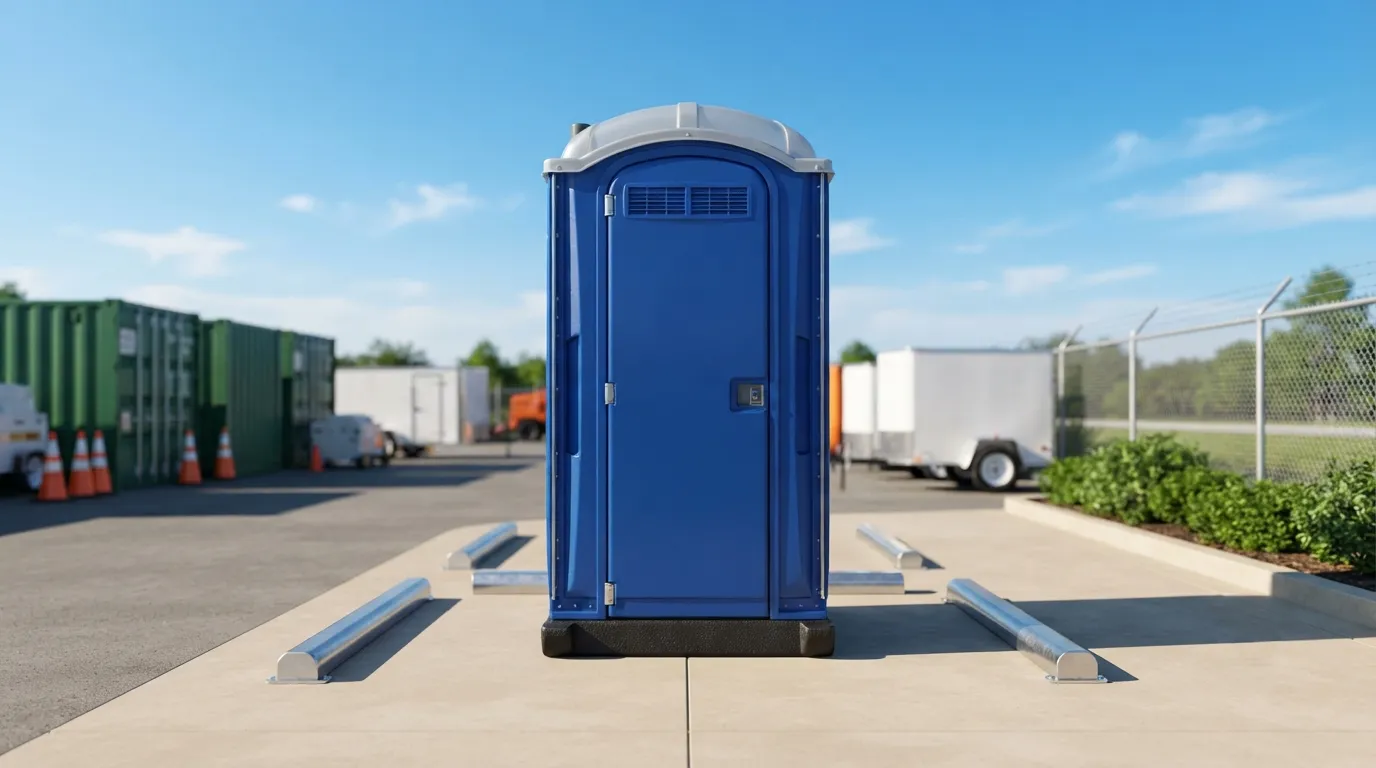
Three things drive it: tank size, household size, and what goes down the drain. A larger tank buys you more time between visits. More people using the system shrinks that window fast. Households running a garbage disposal daily add solids that build up quicker than a system without one. Lexington homes on septic tend to fall into a routine once the first pumping happens and a technician can gauge the real accumulation rate, not just the textbook number. That first visit also catches problems early. Our septic tank warning signs page covers what slow drains, gurgling pipes, or standing water near the drain field actually mean. If you're building new or adding square footage, review septic tank pumping cost so budget doesn't come as a surprise later. Commercial properties follow a different curve. A grease interceptor at a restaurant gets pumped once fats, oils, grease and solids reach 25 percent of the liquid depth, which can happen far faster than a household tank fills. If that's your situation, see grease trap pumping instead of guessing at a residential schedule.
Call the moment you see sewage backing up, standing water over the drain field, or multiple drains gurgling at once. Waiting even a day can push a fixable problem into a full system failure, and that costs a lot more than a same-week pumping. Lexington properties on older systems, especially ones that haven't been serviced in the last 3 to 5 years, are more prone to sudden failure because sediment has had time to compact. If you're dealing with this right now, go straight to emergency septic service rather than waiting for a scheduled slot. Renovation and construction sites sometimes overload a septic system without realizing it, particularly when crews are running water for cleanup or when a home renovation porta potty setup wasn't planned for the extra load. If you're coordinating a larger job with dumpsters and fencing on-site, our construction dumpster rental and temporary fence rental pages cover the rest of the setup so the septic piece doesn't get overlooked.
Pump on a schedule. Waiting for warning signs means you're already dealing with a problem, not preventing one. A 3 to 5 year interval, adjusted for your household size and tank capacity, keeps solids from building past the point a routine pump can handle. Compare it against the fixed intervals in the table below.
| service | typical interval | notes |
|---|---|---|
| septic tank pumping | 3 to 5 years | driven by tank size and household size |
| grease interceptor pumping | as needed | pumped at 25 percent FOG depth |
| portable toilet servicing | weekly baseline | ANSI/PSAI Z4.3, up to 10 users over 40 hours |
Properties running portable restrooms alongside a septic system, like a farm operation near Nicholasville 15.3 miles southwest or Versailles 15.7 miles west, often need both services on parallel schedules. Our farm and agricultural restrooms page covers that pairing. For construction sites where crews are on portable toilets full time, OSHA 1926.51(c) sets the toilet count ratio separate from any septic question entirely.
Check your original septic permit or ask the last company that serviced it. Most Lexington homes run 1,000 gallon tanks, but older properties sometimes have smaller ones. If you don't have records, a technician can estimate it during the first pumping visit.
Yes. Disposals add solids to the tank faster than normal use, which shortens the interval. Households running one daily often need pumping closer to the 3 year mark instead of 5. Ask your technician to track buildup at each visit.
Solids eventually overflow into the drain field, clogging it and causing sewage backups into the house or yard. Drain field repair costs far more than routine pumping, and some fields can't be fully repaired once saturated.
Yes. If your septic system is down for service or repair, a holding tank rental or standard unit from portable toilet rental covers the gap so the household or job site isn't without a working restroom.
Yes. Commercial kitchens typically need grease interceptor service based on FOG depth, not a fixed calendar interval. Residential tanks follow the 3 to 5 year household cycle. Check septic tank cleaning for the difference in scope.
Yes. Lexington Porta Pros delivers how often to pump a septic tank across Lexington and the surrounding metro, with same-day and next-day drop-off available on most orders.
Pricing depends on the unit and how long you need it. See our cost breakdown and request a free quote for an exact figure.
Standard rentals include scheduled service — a pump-out, a clean, a restock and fresh deodorizer. Busy or hot-weather sites can be serviced more often.
Call now or request a free quote — clean units, on-time delivery, transparent pricing.